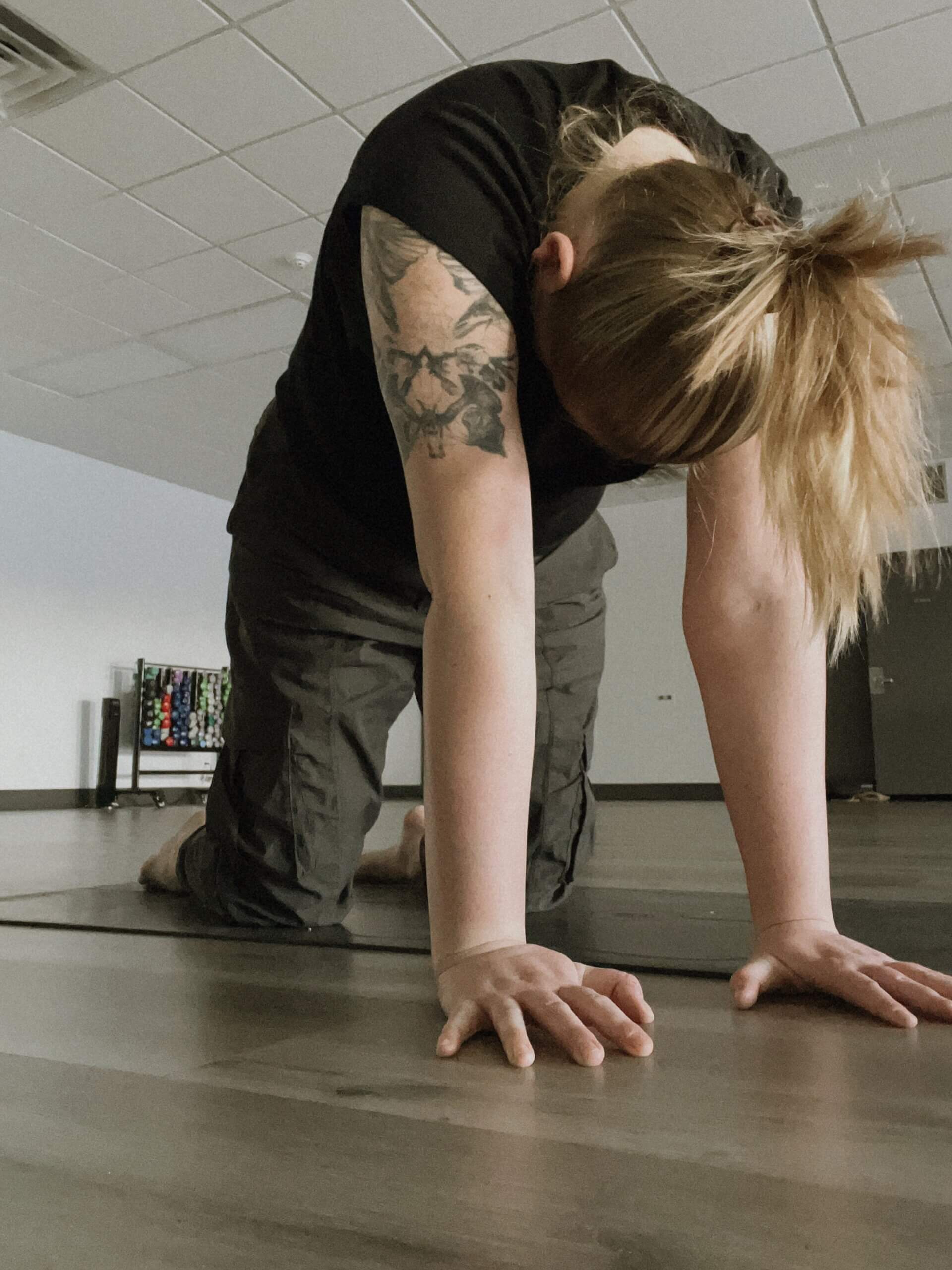
Yoga isn’t one-size-fits-all. What started as an ancient practice in India has blossomed into a rich tapestry of styles – each with distinct rhythms, goals, and vibes. Whether you want to build strength, calm your nervous system, increase flexibility, or deepen mindfulness, there’s a style for you. Below are nine widely practiced yoga traditions to explore.
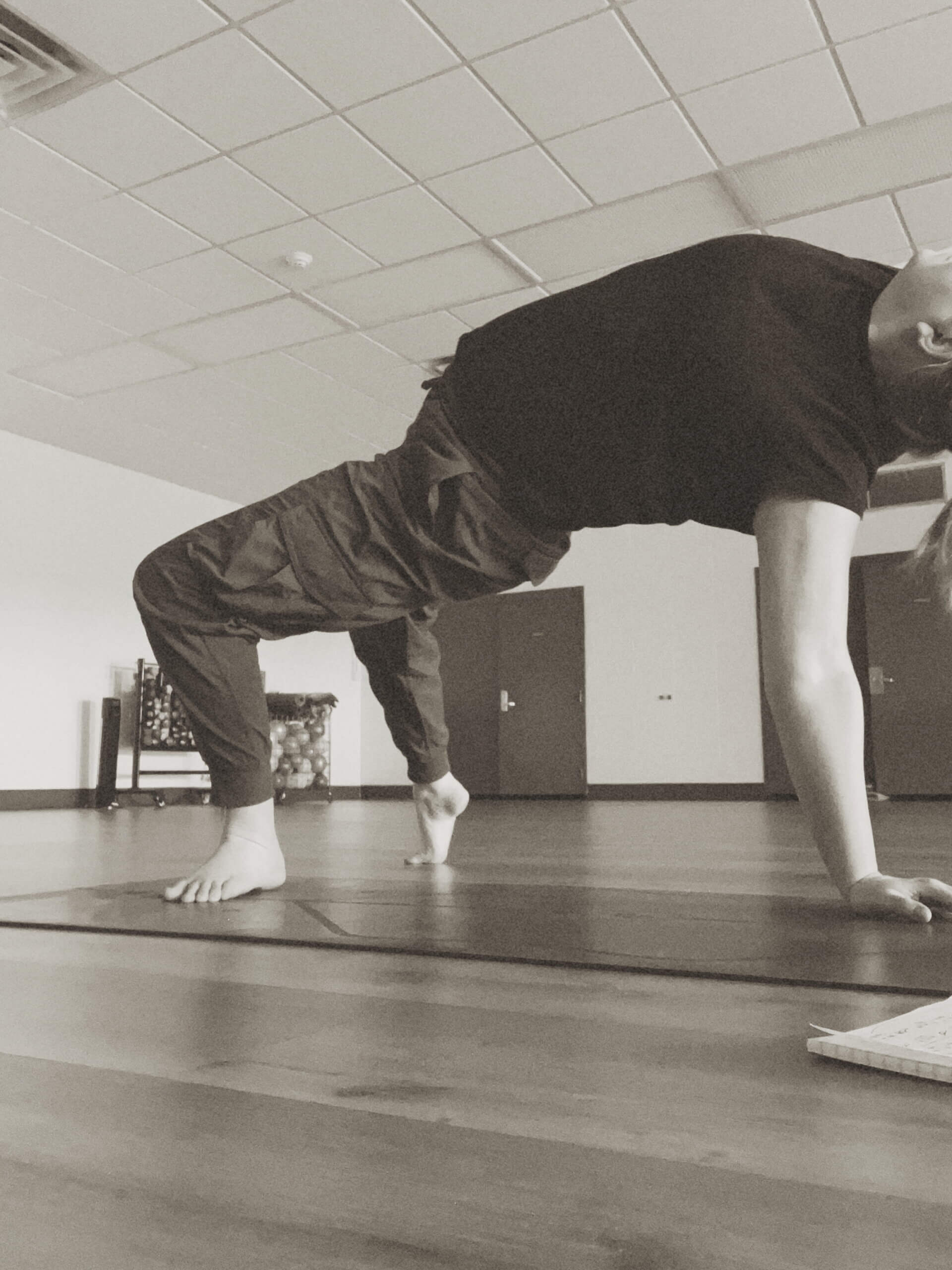
1. Hatha Yoga
Often thought of as the root or umbrella of many yoga traditions, Hatha yoga moves at a gentle, deliberate pace, balancing movement with breath.
- Great for beginners, or anyone wanting to slow down, connect more deeply with their body, and develop steady posture and breathwork.
- Because poses are usually held, it’s ideal for working on alignment, flexibility, and relaxation – a nice foundation if you plan to try more dynamic styles later.
For more information – click here.
2. Vinyasa (Flow) Yoga
Also called “flow yoga,” Vinyasa links breath and movement, creating fluid, dance-like sequences. Transitions between poses are intentional and rhythmic – you breathe in, you move, you flow.
- Vinyasa often feels more energetic than Hatha. It builds strength, raises heart rate, and can feel almost like a workout – especially in “power flow” or more active classes.
- Because routines vary by teacher and studio, Vinyasa stays fresh and adaptable – from gentle flows to sweat-inducing sessions.
For more information – click here.
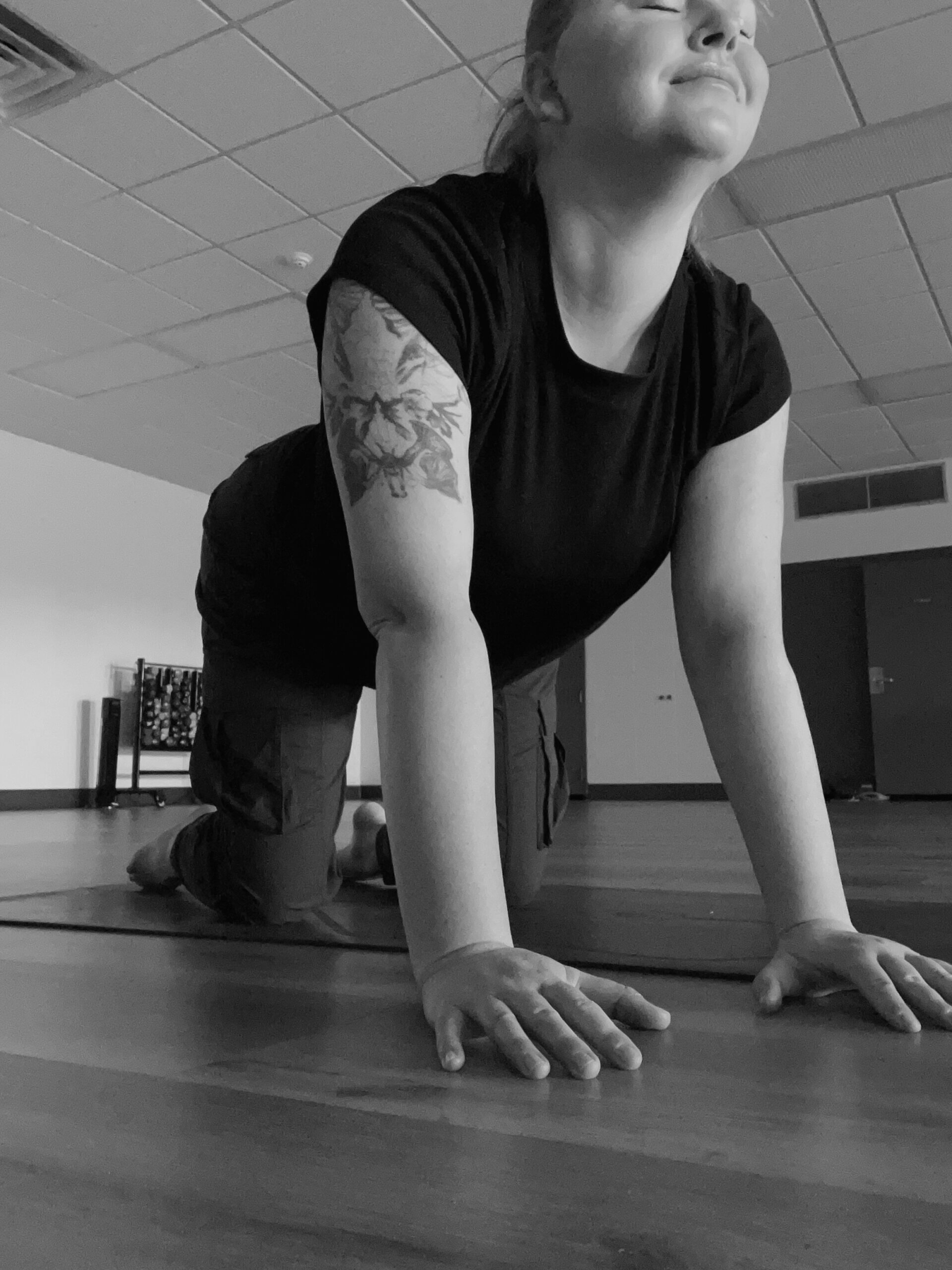
3. Ashtanga Yoga
A more structured, traditional path – Ashtanga follows a fixed sequence of poses, practiced in the same order each time, often linked tightly with breath and pace.
- Ashtanga fosters discipline, helps build strength, flexibility, and stamina, and can also deepen concentration and breath awareness.
- Many practitioners treat it as a regular, even daily, regimen rather than a casual class – so it can be rewarding if you enjoy commitment and progress.
For more information – click here.
4. Iyengar Yoga
Founded by B.K.S. Iyengar, this style is about alignment, precision, and respect for the body. Instead of rushing through poses, Iyengar classes emphasize holding postures and using props (Blocks, belts, blankets, and chairs) to support correct form.
- If you care about posture, want to avoid injury, or need modifications, props make this accessible for a wide range of bodies, ages, and abilities.
- Iyengar helps cultivate body awareness and mindfulness.
For more information – click here.
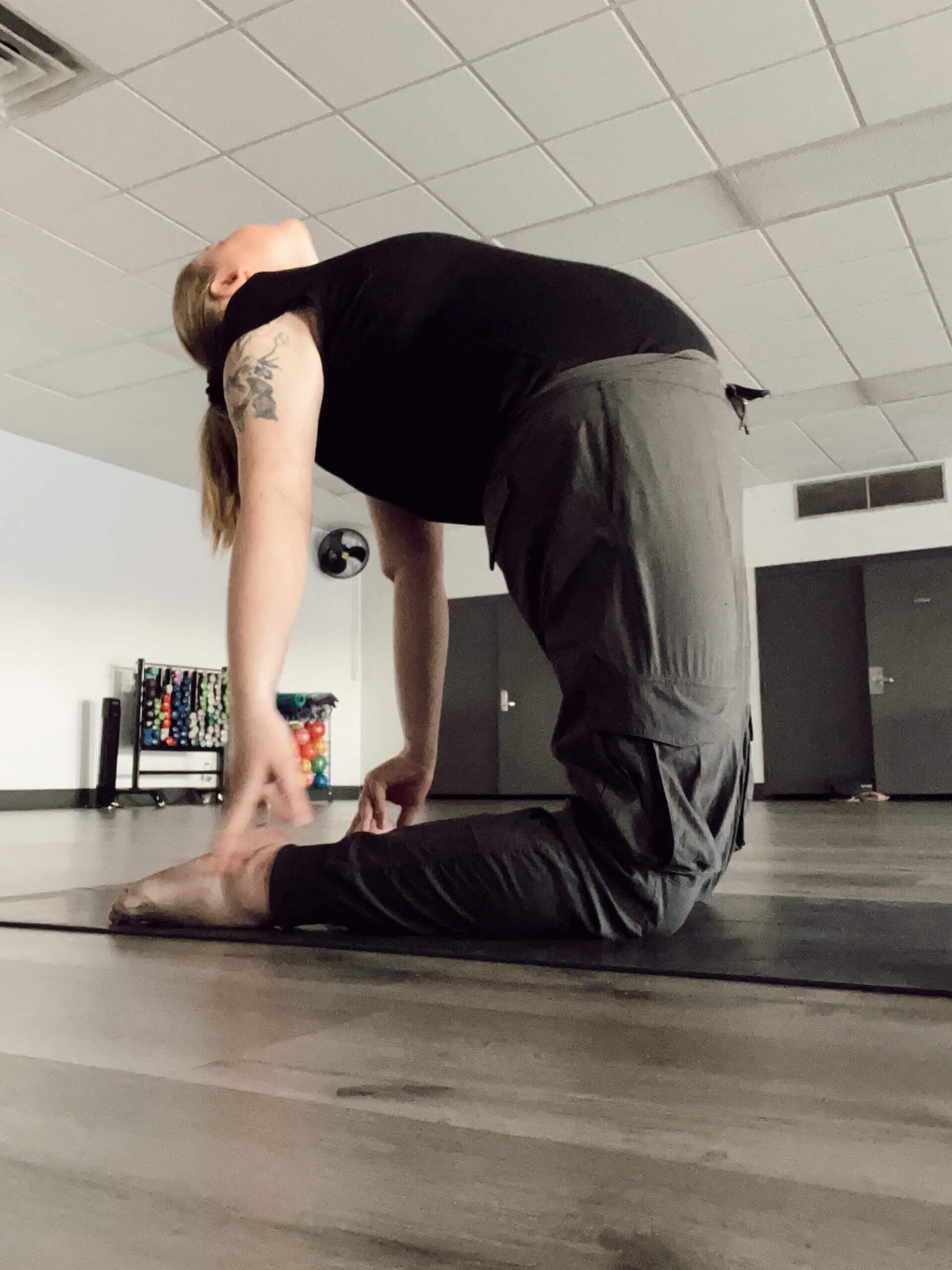
5. Restorative Yoga
This is yoga for slowing down – the opposite of intense or fast-paced. In Restorative classes, poses are held for longer durations, often with the help of many props. The idea isn’t to build strength, but to support the body, release tension, and invite deep relaxation.
- Great for stress relief, calming the nervous system, and giving your body a break – especially after hard workouts or busy weeks.
- Because it’s gentle and accessible, Restorative works well for nearly every level and age.
For more information – click here.
6. Yin Yoga
If Restorative yoga is about rest and recovery, Yin is about letting go and stretching deep – especially into connective tissues, joints, hips, and the lower spine. Poses are often seated or lying down and held quietly for several minutes at a time.
- This slow, meditative style helps improve joint flexibility and mobility and can bring a deep sense of calm.
- Because Yin complements more active yoga or workouts well, many students practice it alongside vigorous styles to keep balance.
For more information – click here.
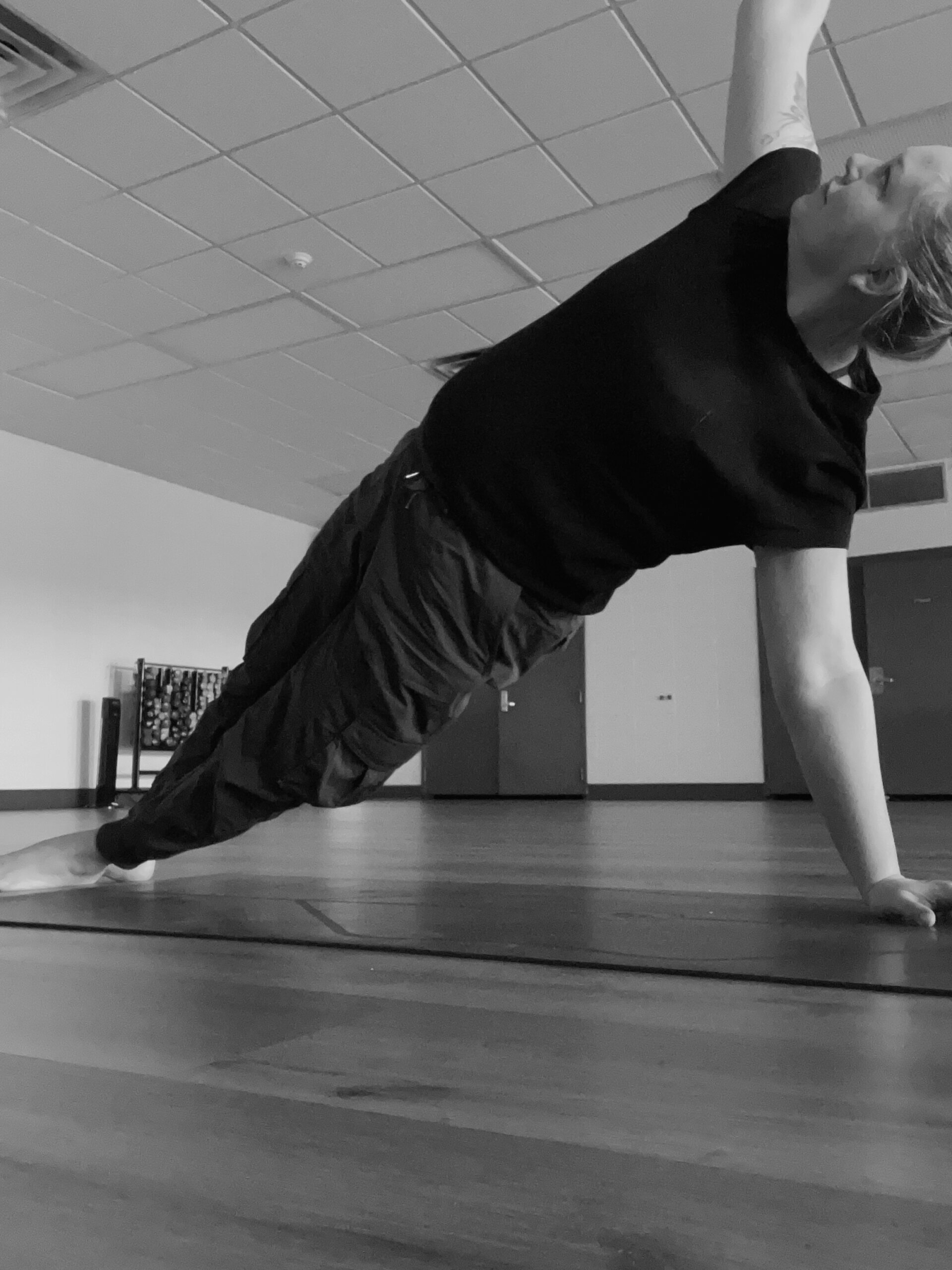
7. Kundalini Yoga
This style takes a more spiritual and energetic approach, combining movement, breath work (pranayama), meditation, and sometimes chanting or mantra.
- The aim is often more than physical fitness: practitioners seek to awaken inner energy, increase awareness, and cultivate spiritual or mental clarity.
- If you’re interested in yoga for inner exploration and mind-body connection, Kundalini is meaningful.
For more information- click here.
8. Anusara Yoga
A modern offshoot of yoga that combines the physical aspects of posture and flow with an emphasis on alignment, also weaving in a more heart-centered, spiritual philosophy.
- Classes often begin with opening invocations or brief chants and a sense of inner “opening,” joy, and connection beyond the body.
- Good for those seeking a blend of physical alignment and a more holistic, mindful approach to yoga.
For more information – click here.
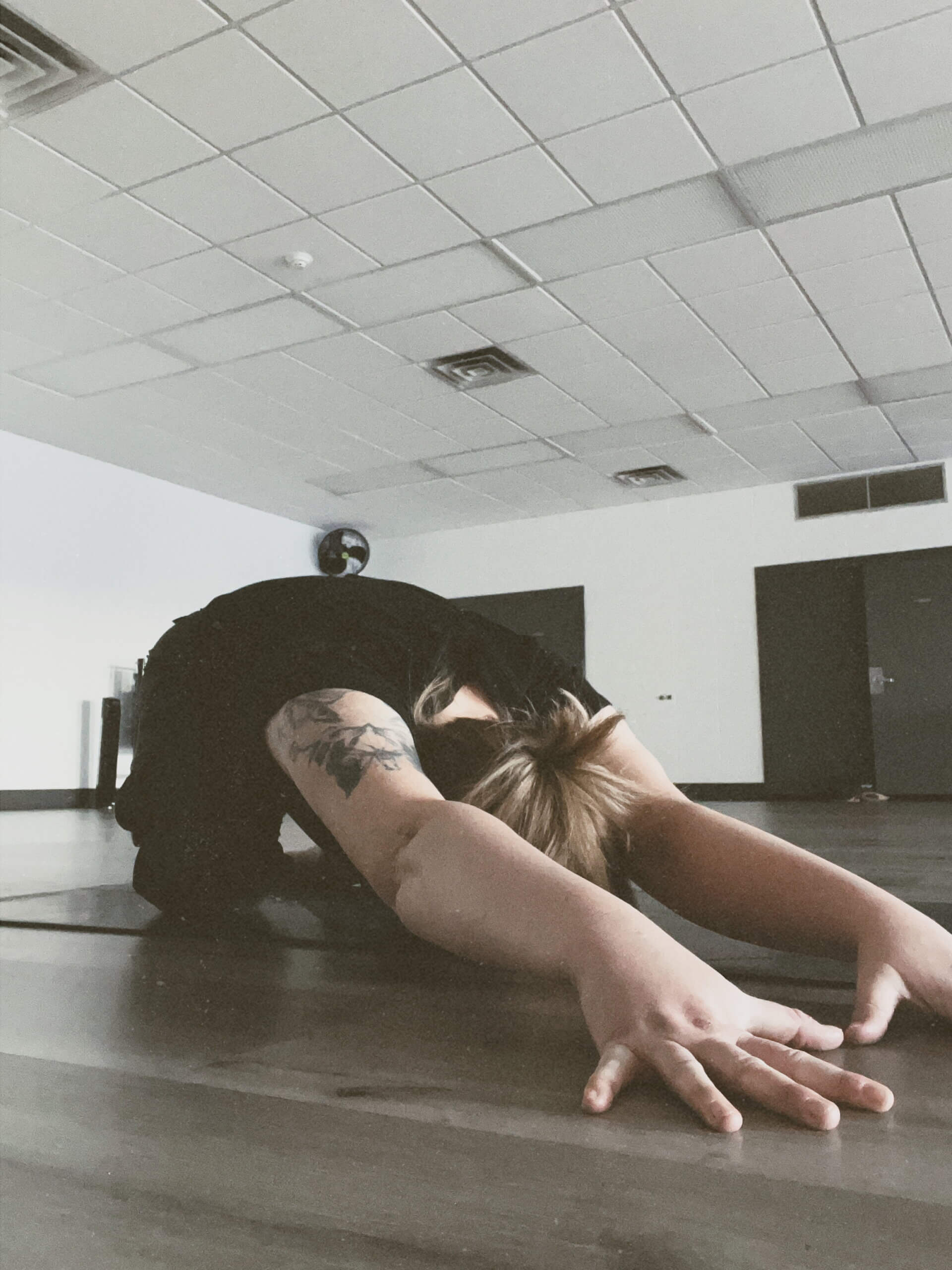
9. Kripalu Yoga (Mind-Body Centered)
This style tends to emphasize compassion, mindfulness, breath work, and a gentle progression into deeper awareness. In practice, it may combine asanas, pranayama, meditation, and focus on inner energy (prana).
- Because Kripalu is less about strict sequences and more about listening to your body and inner experiences, it can be a good fit for those drawn to introspection or self-awareness.
- Whether new to yoga or returning after a break, Kripalu offers a gentle, grounding way to reconnect with body and breath – and often emphasizes applying the lessons off the mat to daily life.
For more information – click here.
So… Which Style Should You Try First?
-
New to yoga? Consider Hatha, Restorative, or Iyengar – these emphasize alignment, gentle pace, and build a strong foundation.
-
Want movement + flow + fitness benefits? Vinyasa or Ashtanga delivers energy, strength, and flexibility.
-
Looking for deep stretching, calm, or recovery? Yin or Restorative is perfect.
-
Craving spiritual or mind-body connection? Kundalini, Anusara, or Kripalu offer a deeper, more holistic experience.
The beauty of yoga lies in its variety: what feels right today might change next month. You may find that a combination of different styles – steady flows, deep stretching, breath work, and mindful movement – offers the most balanced journey.