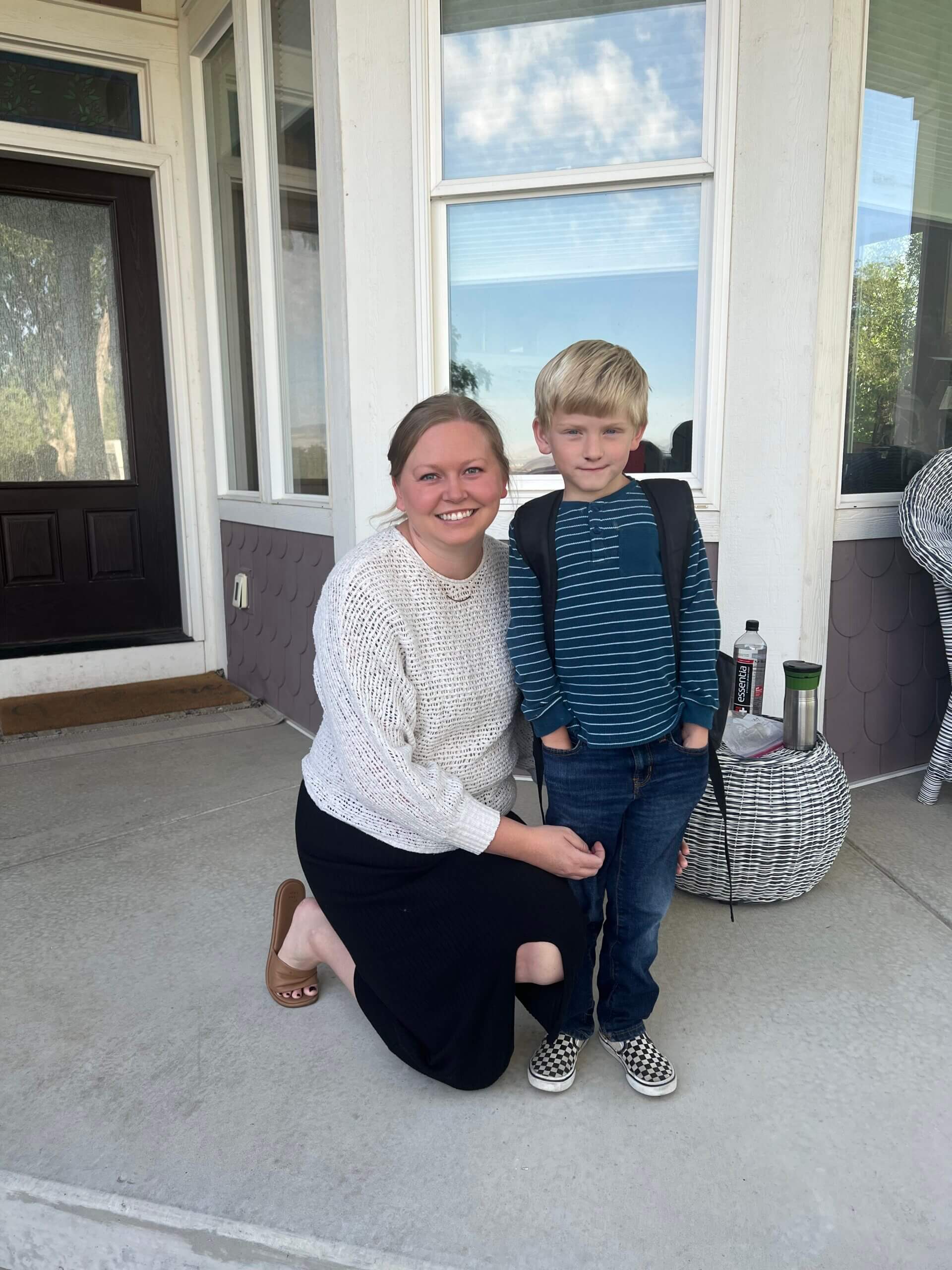
For years, I felt like I was drowning in stuff—clothes I never wore, gadgets collecting dust, and sentimental items I kept just in case. The weight of all that clutter made my home feel chaotic and my mind restless. It wasn’t until I stumbled across minimalism that I realized how much better life could feel with less.
Simplifying my life has given me clarity, more time, and a sense of calm I didn’t know I was missing.
If you’ve ever felt overwhelmed by the things you own or want to create a more intentional space, minimalism could be the answer. The journey doesn’t require drastic changes overnight; instead, it involves taking small, manageable steps that lead to lasting benefits. Here are ways I’m slowly transitioning into minimalism, and how you can start your journey too.
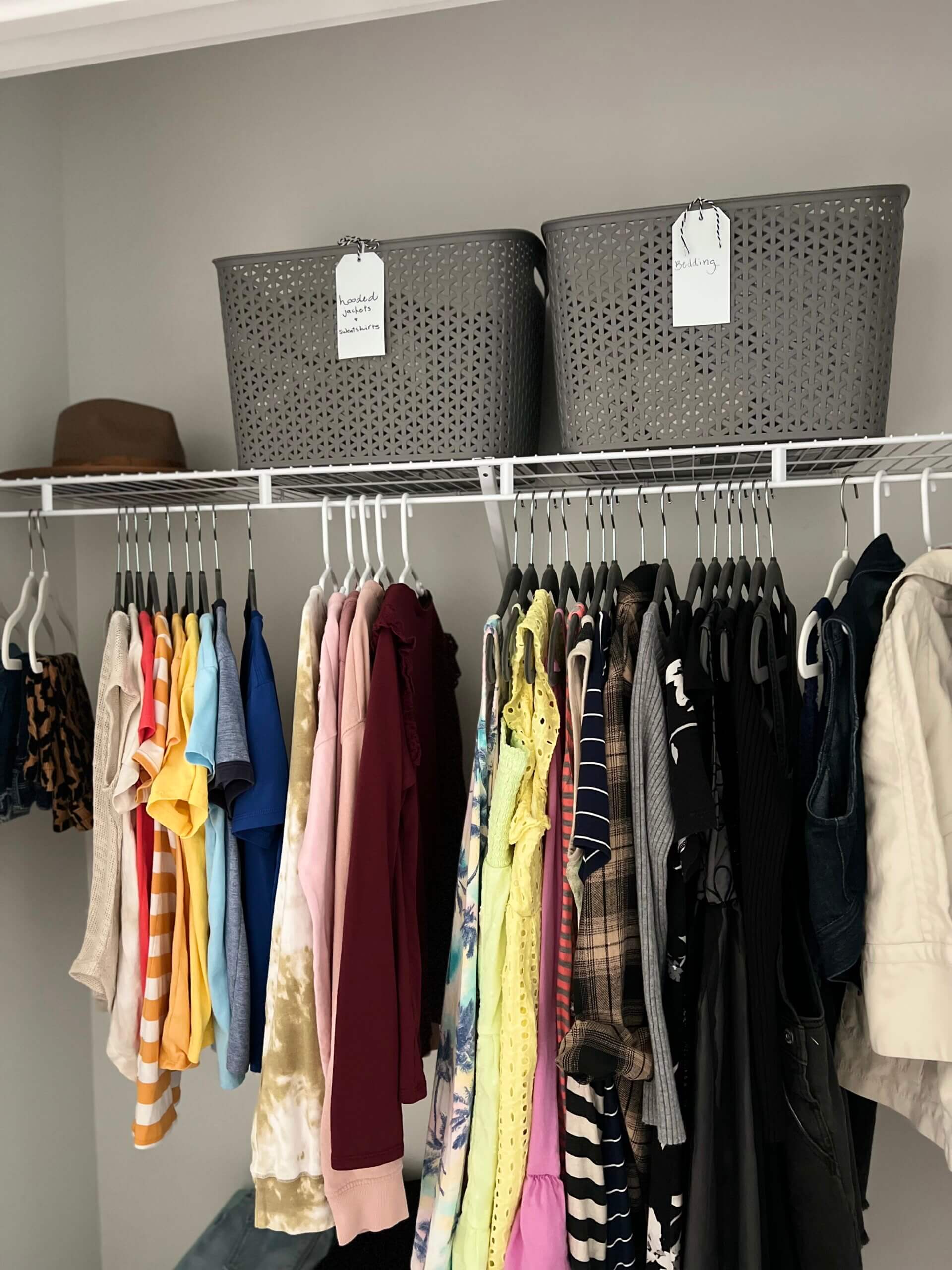
Seasonal Closet Cleanouts
One of the biggest turning points for me was tackling my closet. Like many people, I used to keep clothes I hadn’t worn in years because I thought, What if I need this someday? The truth is, most of those items just took up space and made it harder to find the things I loved wearing.
Now, I’ve started doing seasonal closet cleanouts. At the start of each season, I take everything out of my closet and drawers, piece by piece. I ask myself a few key questions:
- Does this fit me well?
- Do I feel confident wearing it?
- Have I worn it in the past year?
If the answer is no to any of these, I donate or sell the item. Seeing my closet organized and filled only with items I truly enjoy wearing is incredibly freeing. Plus, it saves me time every morning because I’m not digging through piles of someday clothes.
The emotional impact of decluttering my wardrobe has been surprising. Each time I let go of an item, I feel a little lighter. It’s a reminder that my worth isn’t tied to the things I own, and I don’t need to hold on to just-in-case items anymore.
Decluttering One Area at a Time
When I first started decluttering, I made the mistake of trying to tackle everything at once. After an exhausting day of sorting and purging, I felt burned out and discouraged. That’s when I realized the value of focusing on one area at a time.
Instead of attacking the whole house, I pick a single spot—like a drawer, a shelf, or one corner of a room—and give it my full attention. For example, I recently decluttered my kitchen counter. I removed all the items I wasn’t actively using, like that bread maker I hadn’t touched in years, and the pile of mail that always seemed to grow.
Breaking the process into small, manageable tasks has made it feel less overwhelming. Seeing progress in one area motivates me to keep going.
This approach has taught me to be more intentional about the things I bring into my home. Now, I think carefully before buying something new, asking myself if it will truly add value to my life or create more clutter.
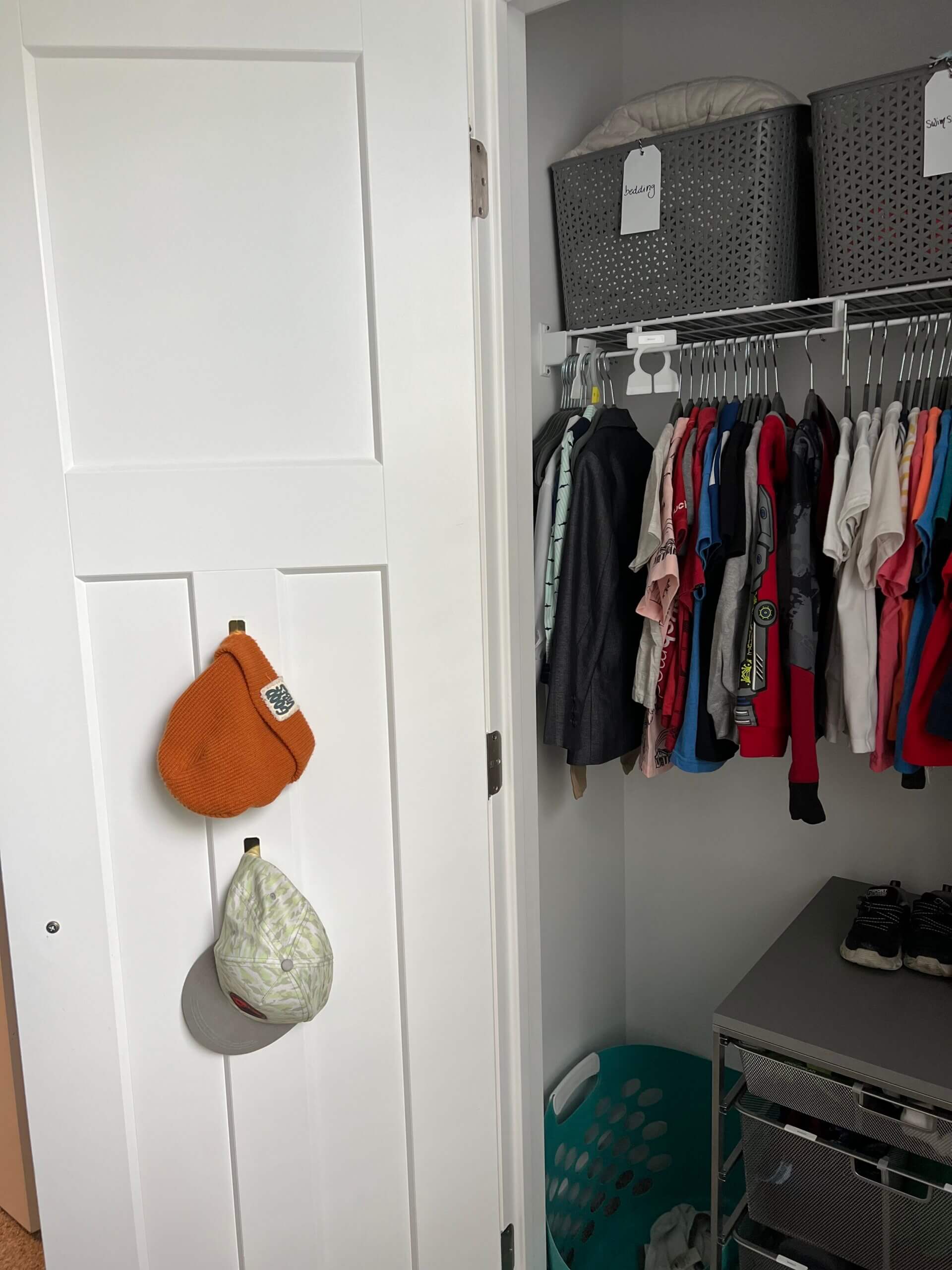
Transitioning into minimalism isn’t about throwing everything away or living in a stark space. It’s about creating room—physically, mentally, and emotionally—for what truly matters. By starting small and focusing on one area at a time, I’ve experienced a newfound sense of calm and clarity.
Minimalism has shown me that less really is more. It’s helped me feel less tied down by stuff and more in tune with what brings me joy. If you’re considering a shift toward minimalism, remember that it’s a journey, not a destination. Start with one drawer, one closet, or one room, and watch as those small changes begin to ripple through every part of your life. You’ve got this!